


Connectivity solutions for individuals, businesses and governments.
USAGE ANALYSIS
Data is everywhere, and we consume it every day, often without realising it
Whenever you send a message, watch a video, visit a website, use an app or connect a device, data is being transmitted. Every digital action generates information and requires the use of a network.
Data is therefore much more than just numbers. It reflects our daily habits, our connections and the services we use. The more our devices and habits evolve, the more our data usage increases.
Understanding data means realising the role it plays in our daily lives. It also means better understanding the importance of a suitable network, capable of supporting our ever-increasing usage, wherever we need it.
Data is everywhere. Understand your usage. Stay connected with HG.
Understanding the importance of multi-operator solutions
A single connection is not always enough. Depending on location, coverage or signal quality, one network may perform better than another.
Multi-operator solutions provide access to several networks through a single service. If the signal weakens or a network becomes unavailable or fails, the connection automatically switches to another network to ensure you remain connected.
Multi-operator solutions therefore offer greater flexibility and continuity. They meet the needs of individuals, businesses and governments, both in France and internationally.
Choosing a multi-operator solution means no longer relying on a single network and better meeting your needs.
More networks. More flexibility. Stay connected with HG.


How much data do we use ?
From sending a simple message to watching a video, every digital activity uses data, sometimes without us even realising it. The list below, whilst not exhaustive, sets out a few examples to help you better understand the amount of data used on a daily basis.
Video and streaming (The biggest consumers)
Netflix, Disney+, Prime Video (4K / UHD):
~7 GB per hour.
Netflix / SVOD platforms (High Definition – HD):
~3 GB per hour.
YouTube (1080p HD):
~1.5 to 2 GB per hour.
Social Media (Constant Feed Addicts)
TikTok and/or similar apps:
~800 MB to 1 GB per hour (very battery-intensive as videos play one after the other).
Instagram (Reels and Stories):
~600 to 800 MB per hour.
Facebook / X (Twitter) with videos set to autoplay:
~300 to 500 MB per hour.
Music and Audio (Moderate usage)
Spotify / Apple Music (Very high quality / Lossless):
~150 to 300 MB per hour.
Spotify / Deezer (Standard quality):
~50 to 75 MB per hour.
Listening to podcasts or online radio:
~60 MB per hour.
Navigation and Travel (Moderate usage)
GPS tracker (mobile and/or satellite):
~50 MB to over 5 GB per hour, depending on the data updates and their frequency.
Waze / Google Maps (basic GPS navigation):
~5 to 20 MB per hour (very little if the map is cached).
Google Maps (Satellite view):
~100 MB per hour (loads a lot of images).
Messaging and Communication (Very light)
Sending text messages (WhatsApp, Signal, Messenger):
around 1 MB for thousands of messages.
Sending photos/voice messages on WhatsApp:
around 1 to 5 MB per file.
Voice calls only (WhatsApp, Messenger):
around 30 to 50 MB per hour.
Smart Homes and Systems (Hidden Consumption)
Smart security camera (HD live streaming):
~1 to 2 GB per hour of active viewing.
Operating system updates (iOS, Android, Windows):
~1 to 5 GB per update.
Smart devices (light bulbs, thermostats, scales):
Less than 5 MB per month.


"Those who excel at solving problems solve them before they arise."
Sun Tzu – The Art of War
Data in everyday life
From sending a simple message to watching a video, every digital activity uses data, sometimes without us even realising it. The lists below, whilst not exhaustive, provide a few examples to help you better understand the amount of data used on a daily basis.

Aviation & Boating

Commerce, Logistique et Distribution

Industry & Energy

Health & Wellbeing
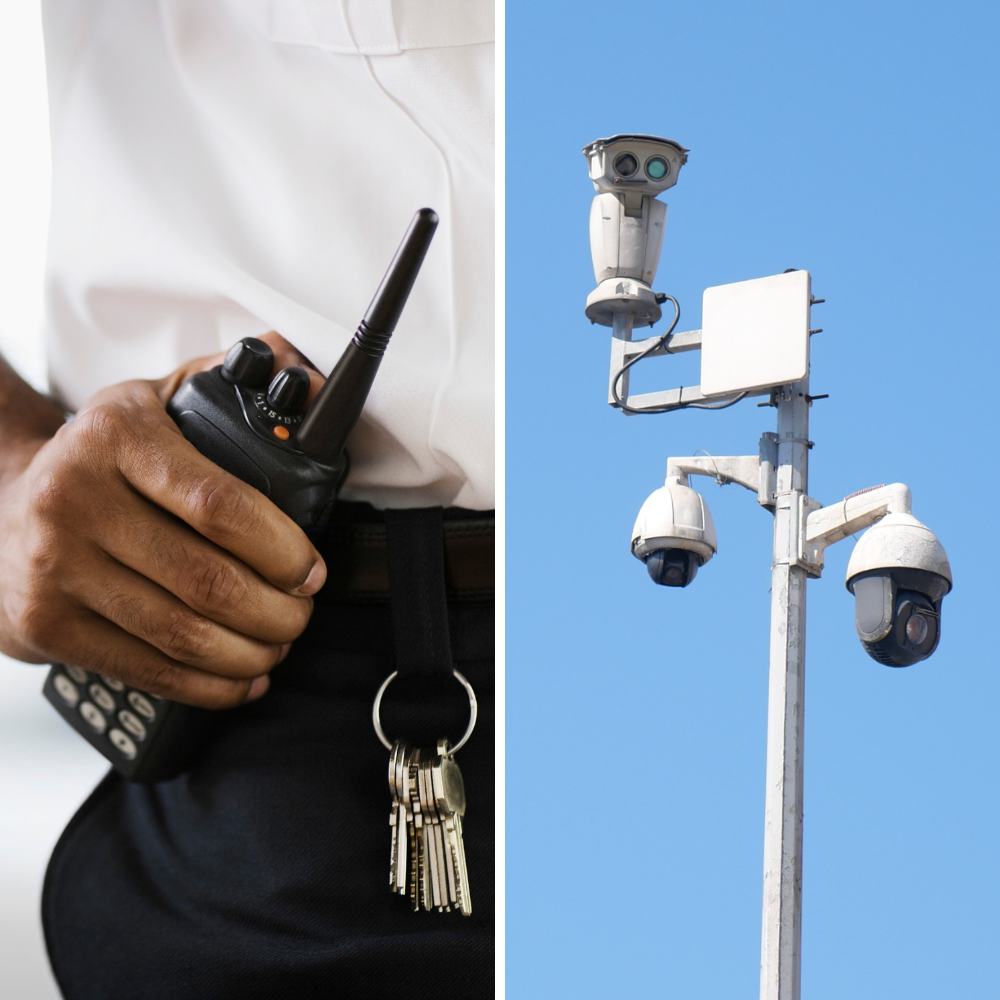
Security & Surveillance

Smart Cities & Housing

Daily Life
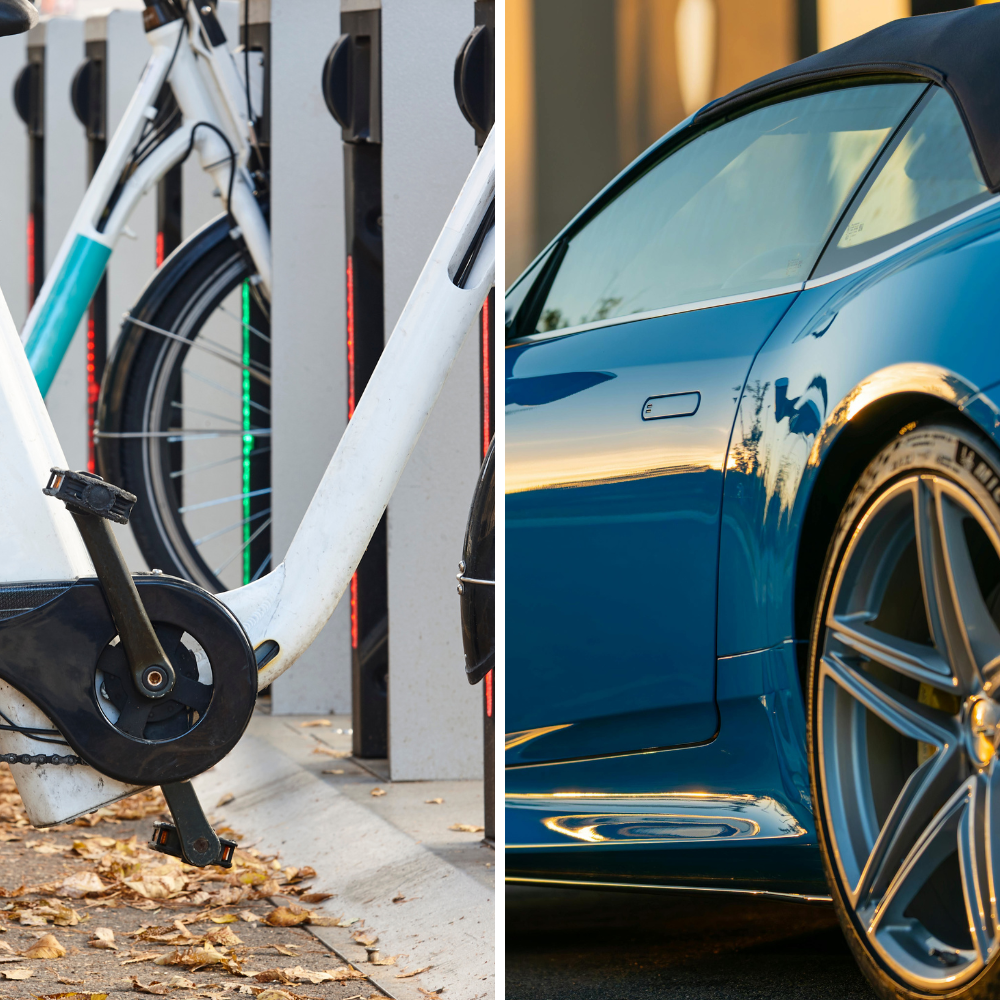
Vehicles & Mobility
